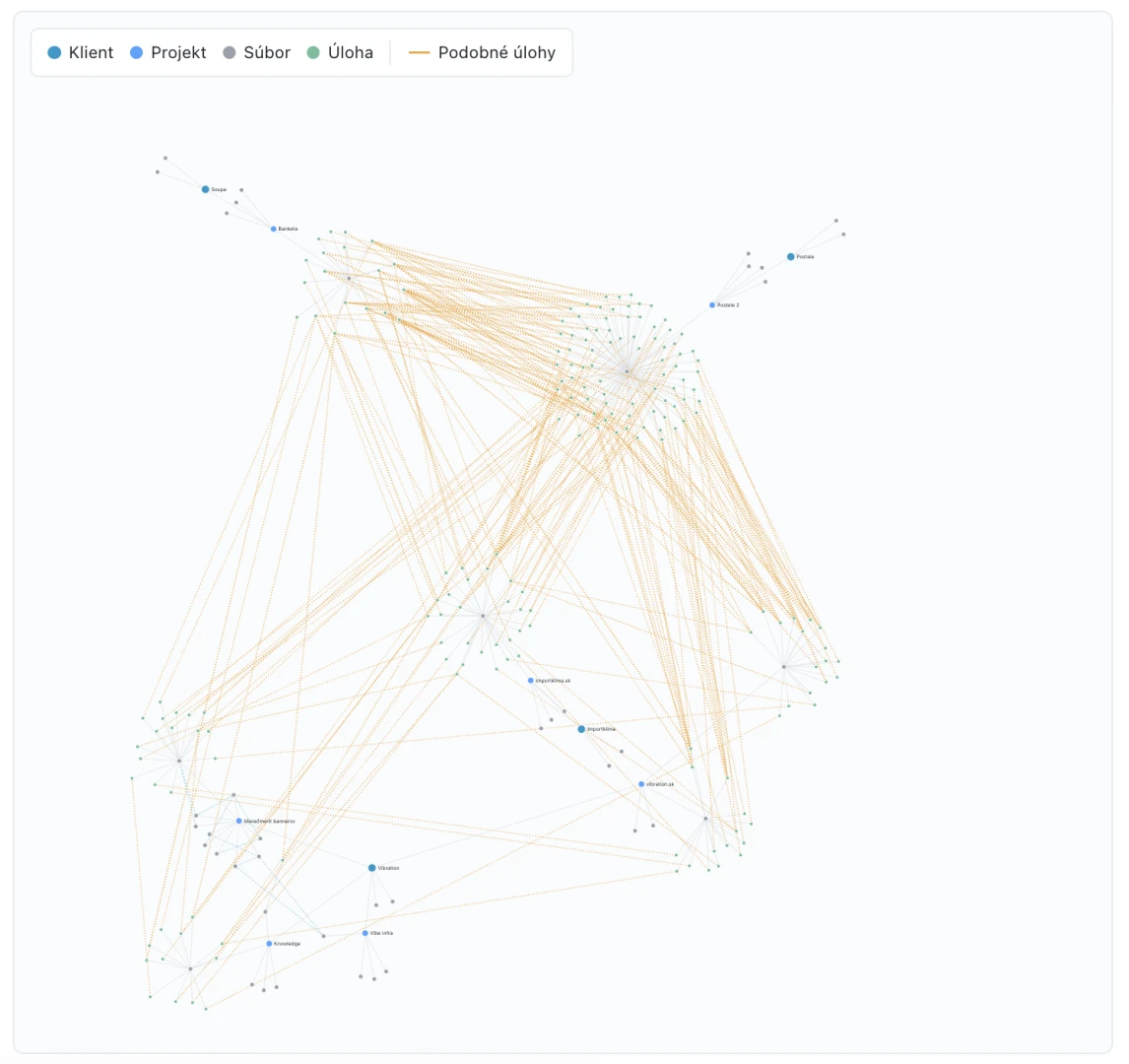
For an e-commerce platform, we designed and implemented an extensive MCP server. Part of the work was clearly defining the scope — what the MCP layer should cover and what should remain in the classic API. During testing we refined tool outputs, optimized token usage, and redesigned the communication model and tool capabilities several times so the MCP server would stay precise, efficient, and not unnecessarily talkative.
2026
Built on the system
- Sellio

Technologies used
- symfony

- Sellio
- Vue.js

- nuxt

- MariaDBMariaDB
- Redis
If you need a custom MCP for your web application, feel free to get in touch. We have extensive experience building these integrations.
Frequently asked questions
MCP (Model Context Protocol) is a standardized way to expose your application’s data and actions to AI models. An MCP server provides tools that an assistant can call safely — for example to work with products, orders, or content — without building a separate ad-hoc integration for every AI product.
It connects AI assistants to real data and processes in your system. Typical use cases include bulk edits, data enrichment, translations, analytics, or quick questions about order and customer details — in natural language, but with controlled access through predefined tools.
The API remains the foundation of the system. MCP complements it: AI gets structured tools, context, and a clear scope instead of composing raw endpoints on its own. In practice both often run side by side — API for applications and integrations, MCP for AI workflows. The key is deciding what belongs where.
It brings the most value to systems with rich data and repetitive operations — e-commerce, CMS, CRM, ERP, internal admin tools, or B2B portals. Wherever people frequently search, filter, edit, and review data, MCP can significantly speed up work through AI assistants.
An MCP server connects to an AI client as a source of tools and context. The assistant can then read and update data in your system directly in the conversation — without manually pasting everything into prompts. It works with clients that support MCP, such as Claude, Cursor, and other AI tools.
Yes — when designed properly. Tools have a clearly limited scope, permissions, and input validation. Sensitive operations can be restricted, logged, or tied to user roles. MCP is not open database access, but a controlled layer on top of your API and business logic.
The price depends on scope — the number of tools, integrations with existing APIs, security requirements, and how deeply you optimize (including token usage). A smaller MCP on top of an existing API can be a quick project; a large e-commerce MCP with dozens of tools and fine-tuning is more complex. We’re happy to prepare an estimate for your use case.