ERP integrations
Connection to accounting and warehouse systems — synchronizing data, orders and customers between the e-shop and the ERP.
We introduce AI and automation to companies. Digitization of processes. Agent development.
We help companies and e-shops get rid of manual work. We connect your e-shop to ERP, accounting and warehouse systems, automate recurring tasks and notifications, and bring AI into your processes, for example for summaries or data classification. We start with a process map that shows where automation will save the most time and prevent the most errors.
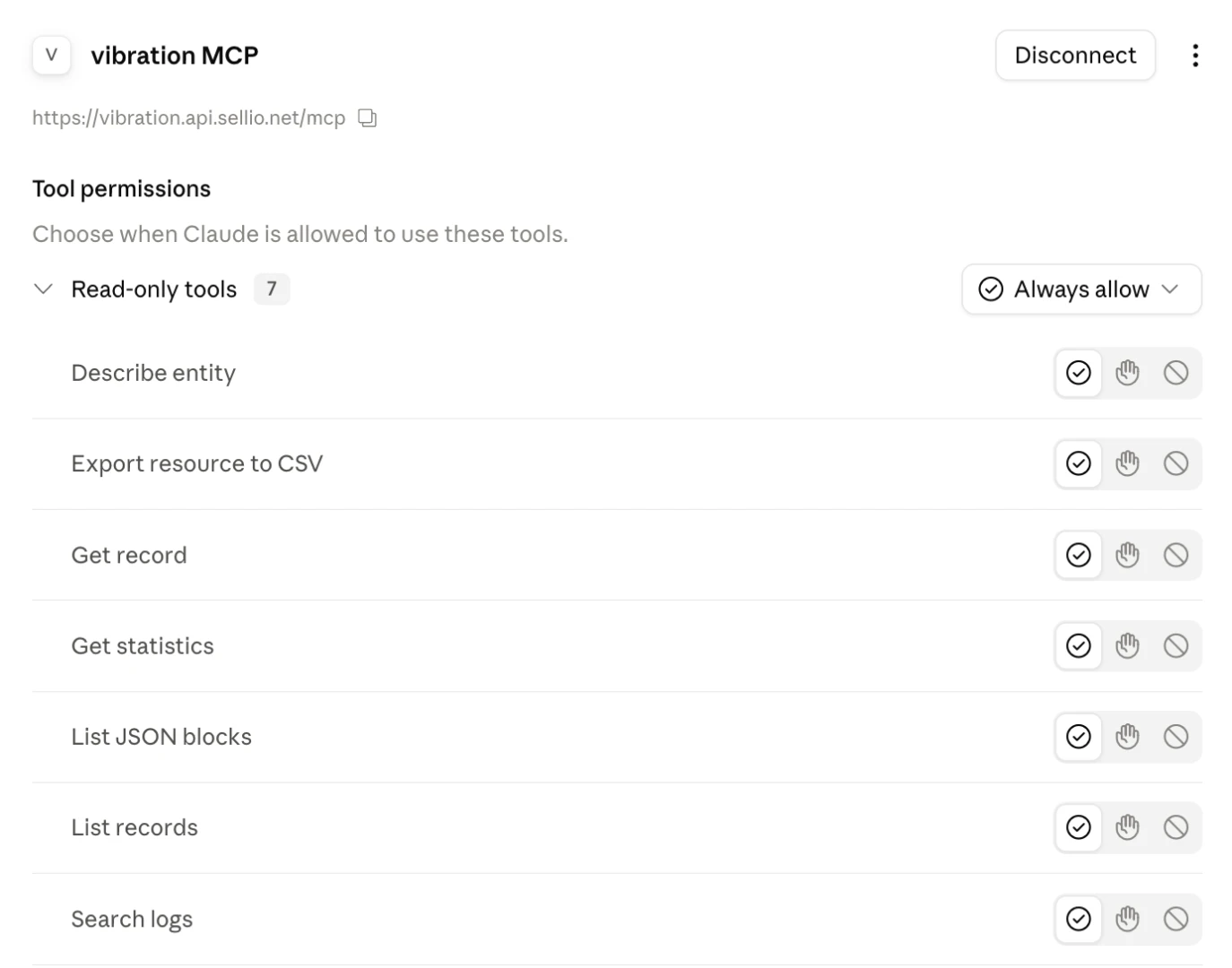
We work with Claude, Cursor, n8n, make.com and MCP, and connect to the systems you already use – via APIs, webhooks or integration layers. If you are still planning an e-shop, see custom e-shops with AI features.
Connection to accounting and warehouse systems — synchronizing data, orders and customers between the e-shop and the ERP.
Recurring tasks, notifications and scenarios across tools — less manual work, fewer errors.
Bringing AI into your processes: suggestions, summaries, classification of data or content according to your rules.
APIs, webhooks and integration layers between your CMS, CRM, marketing and internal applications.
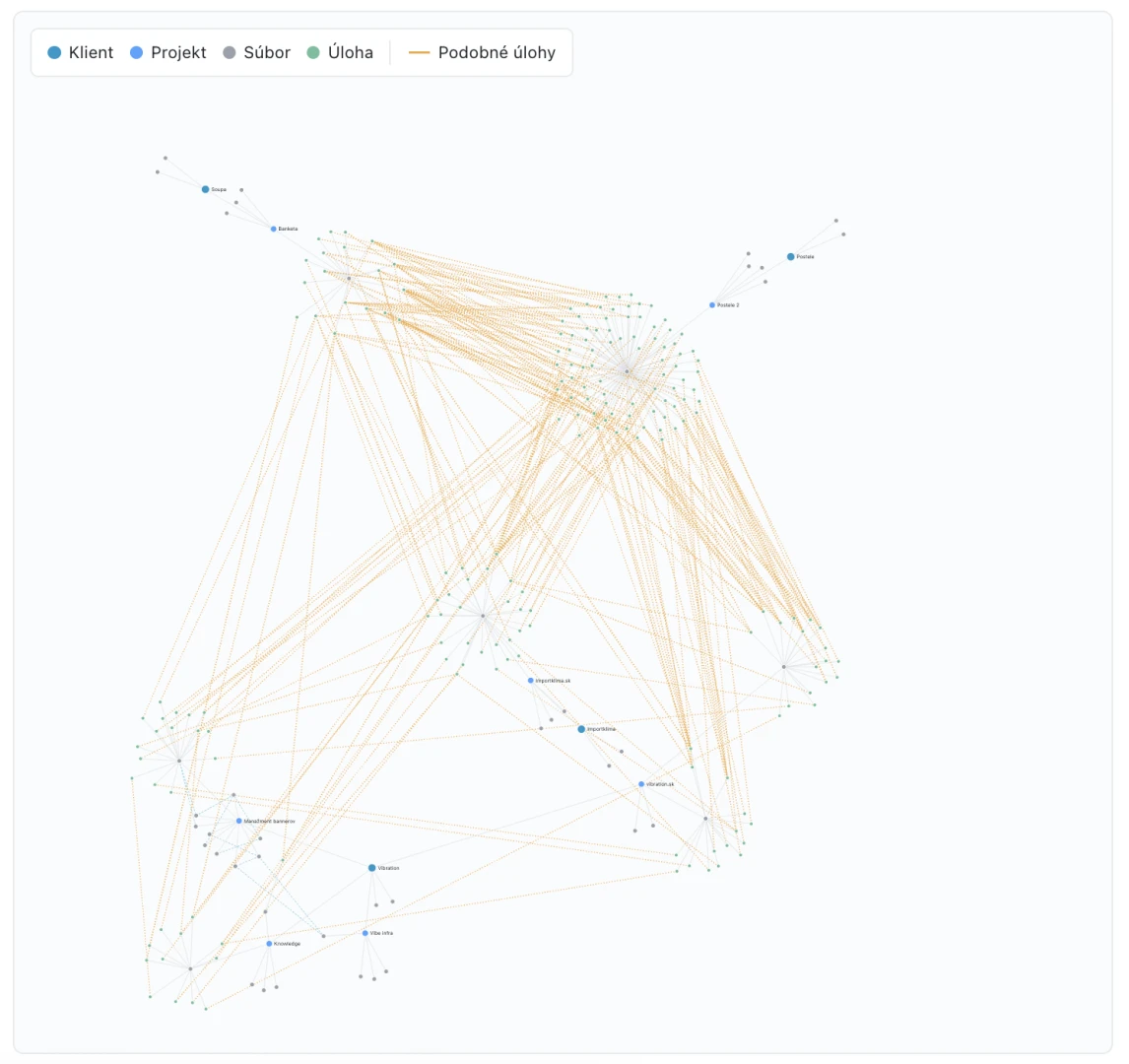
Creating a process map and identifying processes to automate.
Moving from traditional development to agentic development.


Model Context Protocol — a standard for connecting AI models with external tools and data


We start with a process map — we look at where your company has the most manual work, data re-typing and waiting for approvals. Typical candidates: order processing, price lists, customer communication, reporting. After the initial analysis, you get a list of processes ranked by benefit versus effort.
The initial consultation (about 60 minutes) is free and non-binding. Only the process analysis with deliverables is paid — a process map, proposed automations and an estimated return. Smaller automations typically cost hundreds of euros, complex ERP integrations and AI workflows thousands.
In four steps: 1) initial consultation and process mapping, 2) solution proposal with estimated benefit and price, 3) implementation in short iterations — you usually see the first results within a few weeks, 4) operation, monitoring and further expansion.
Simpler automations (notifications, synchronizations, turning e-mails into tasks) run in production within 2–4 weeks. Plan 2–3 months for larger ERP integrations and AI workflows. We always start with the process that pays back fastest, not the biggest one.
It is measurable in hours saved and fewer errors. Before implementation, we calculate how much time the process costs today; after deployment, we compare. Most automations pay for themselves within 3–6 months.
No. We connect to what you have — your accounting and warehouse system, CRM, e-shop and marketing tools — via APIs, webhooks and integration layers. The goal is to connect your existing tools, not replace them.
That can be solved too — via export/import, a database connection, Google Apps Script or an interim integration layer. For older systems, we check the options right in the initial analysis so you know what to expect.
We build solutions so that sensitive data stays under your control — with the option of deployment in your own infrastructure or in EU regions. We use models and tools that do not use your data for training, and we set everything up in line with GDPR.
In practice, it takes routine work off their hands — re-typing data, sorting e-mails, preparing documents. People stay in charge of decisions and customers. Team training is part of the delivery, so the new tools actually get used.
It is a shift from traditional development to working with AI agents (Claude, Cursor, Codex) that write, test and document code under the supervision of senior developers. For you, it means faster delivery and lower costs while keeping code quality.