B2B and B2C companies have long operated in different industries. On the one hand, we have companies like Salesforce or GE (General Electrics), whose products and services help other businesses better serve customers and generate profit. On the other hand, there is Amazon, which is mostly focused on selling to consumers.
Their different disciplines don't seem to have much in common when it comes to e-commerce strategy. The target groups are different, the tactics are different and the way of measuring success is also different.
The article was revised and updated in May 2026.
However, B2B and B2C e-commerce can learn from each other, especially when it comes to the cloud. Almost every large business today operates on the cloud, so finding success is less about adopting a new strategy and more about strengthening the current one. After all, experience is alpha and omega in modern e-commerce.
Here are some lessons B2B and B2C marketers can learn from each other.
What B2B is all about: loyal customers and less overhead
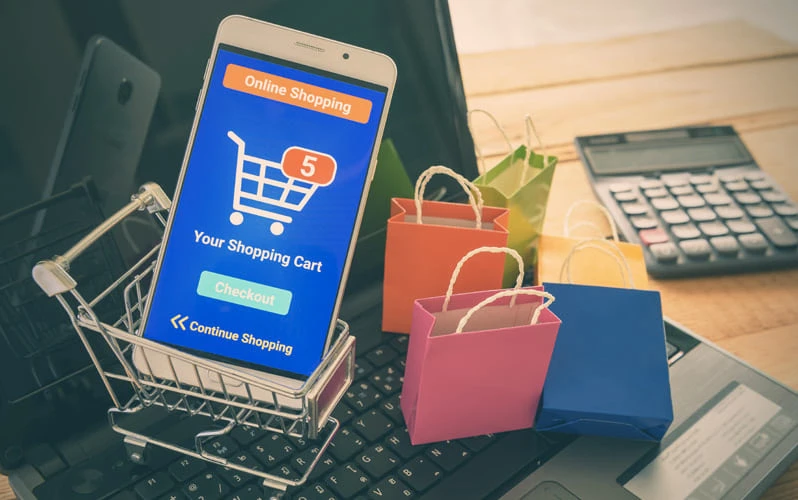
The modern consumer experience has come a long way in recent years. We have here digital booths, Amazon Dash and social media ads that try to entice us to make a daily purchase. As Amazon continues to innovate, we will see smart supermarkets where customers enter the store, select a product and leave without waiting at the checkout. And all this thanks to advanced technology.
We are used to a tailor-made customer experience. However, if we wanted to buy marketing automation software, a recruiting solution or dental equipment, we would be presented with old-fashioned purchasing processes and marketing tactics, whether it be visiting a warehouse in person, flipping through a 500-page catalog or filling out contact forms online. B2B customers still have to literally work their way through the individual stages of the buying process.
However, customers of B2B wholesalers are also people who are used to excellent services from e-shops. As customers, we expect high-quality marketing, instant transactions and personalized shopping.
For B2B companies, improving these services is an investment that brings benefits. If B2B can use the strategies demonstrated in B2B, there will be increased loyalty (thanks to a better shopping experience) and reduced overhead costs. If B2B customers are surprised by the ease of shopping, they will definitely come back for another purchase.

photo source: karriere.at
Where B2C can improve: Internet of Things
Although we think that B2B shopping is first-class, B2C e-commerce can be inspired by following the digital strategies used by B2B, especially regarding the so-called of the Internet of Things (hereinafter IoT). Even if B2B companies don't have everything fancy when it comes to shopping, they benefit from using IoT to analyze and predict consumer needs in a way that B2C hasn't figured out yet.
An example? Let's look at factory production. IoT is used to monitor production performance in real time, so companies know in advance when production or maintenance downtime will occur, allowing them to plan the necessary actions. For example with such an aircraft engine, if the manufacturer knows that the engine will need a new part, it can supply the airline with the part before any problems occur. This leads to better customer service, making them more likely to buy again.
For sellers, we see less downtime and more returning customers, which leads to increased sales and better marketing. However, demand forecasting based on data and IoT technology is also starting slowly in B2C. An image processing system from Amazon, IoT sensors and cameras from GE are e.g. they will be able to be used on refrigerators, when they can warn customers about food that is running out and allow people to refill food with a single click, which would then be delivered to them using Amazon Prime. This is the future that awaits us in a few years.
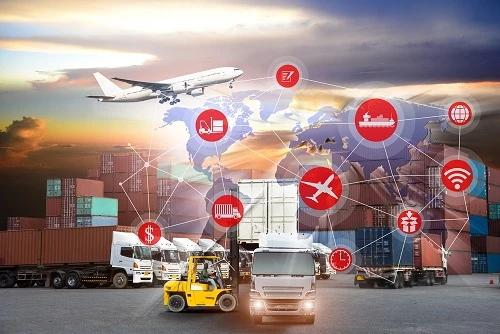
photo source: blogs.sap.com
B2C versus B2B content marketing
Few marketers would argue that there are only basic differences between B2B and B2C marketing. When we talk about marketing channels, it is clear that B2C will focus more on consumers on social media such as Facebook or Instagram, while B2B will be more active on LinkedIn. However, what both industries have in common is still strong email marketing.
In B2C marketing, the most common goals and methods fall under these 3 categories.
-
Brand building and engagement with customers
When you think of high-profile content marketing companies, you probably think of Red Bull or GoPro. These giants pump huge amounts of resources into creating highly creative and visual content that builds their brands and keeps them in the consumer mind. They achieve this by entertaining customers and creating strong positive associations with the brand.
-
Transactions and e-commerce
Other brands such as Walmart, Mint or Marriot focus their content marketing on delivering the information that people need to make a purchase. Yes, they create awareness with their content, but they do so along with capturing and converting customers in the moment.
-
Big shopping
Other industries use content marketing to provide information that consumers need to know in order to make a good decision and make a big purchase. It is, for example, o financial services (mortgages) or car companies. Their content serves as an entry point for the consumer market and leads them to the final conversion at the seller.
In B2B marketing, most of the content is focused on this goal. However, it is not uncommon for B2B brands to seek more transactions or awareness.
B2C lessons for B2B marketers
Whether you are a B2B or B2C marketer, your efforts should be directed towards improving the brand and ensuring that your actions reflect the vision and mission of the company. Basically, you need to know who your target group is and choose the optimal marketing strategy based on that. It would not hurt to also focus on increasing customer loyalty and engagement, similar to what big brands do.
Conclusion
As B2B e-commerce will spill over into B2B and vice versa, we will see these industries become similar. Whether it's to increase sales or deliver a better product, B2B and B2C companies should learn from each other, as more and more people shop with e-commerce every year. In short, technology becomes a part of our life and improves it every year.
If you are interested in a B2B solution, you can use our system Sellio, which is suitable for e-commerce.
photo source: unsplash.com
cover photo source: krungsri.com
sources:
https://www.martechadvisor.com/articles/ecommerce/why-b2b-and-b2c-ecommerce-should-be-more-like-each-other/